
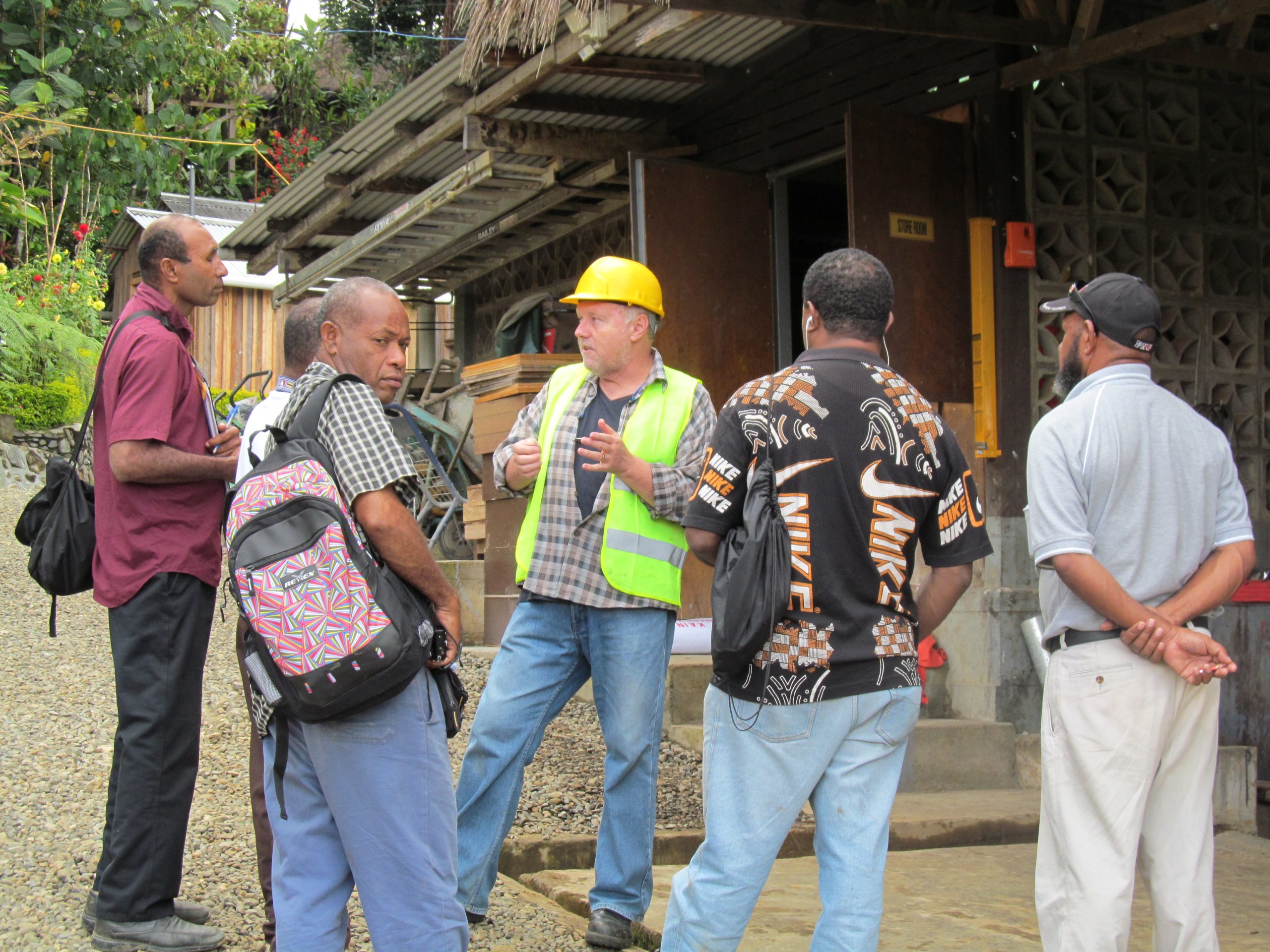
A Trusted Implementation Partner
ATprojects was established in 1998 and operates under the Papua New Guinea Association Incorporation Act. Based in Goroka and working nationwide, we are one of the few organisations in PNG with the capacity to design, manufacture, train, and implement development solutions at district and community level. Our strength lies in translating donor objectives into practical, on-the-ground results, while ensuring:
Why Appropriate Technology?
Appropriate technology is more than a technical solution — it is a development methodology. It starts with people and not the products. At ATprojects, we believe technology should fit people — not the other way around.
Our work is grounded in appropriate technology: solutions that are affordable, culturally appropriate, environmentally responsible, and built using local skills and materials. By involving communities from design through to implementation, we help ensure projects are not only effective, but lasting.
ATprojects Program Areas
Water, Sanitation & Hygiene (WaSH)
We deliver integrated WaSH programs for schools, health facilities, and rural communities, improving public health and gender equity.
Community Infrastructure
We support safe access and essential infrastructure for remote communities.
Energy & Rural Lighting
We improve service delivery in off-grid locations through reliable energy solutions.
Training & Capacity Building
Sustainability depends on skills, not assets alone.
Featured Donor Project
Wafi-Golpu Joint Venture (WGJV) – Community WaSH Program
Morobe Province | 2018 - 2022
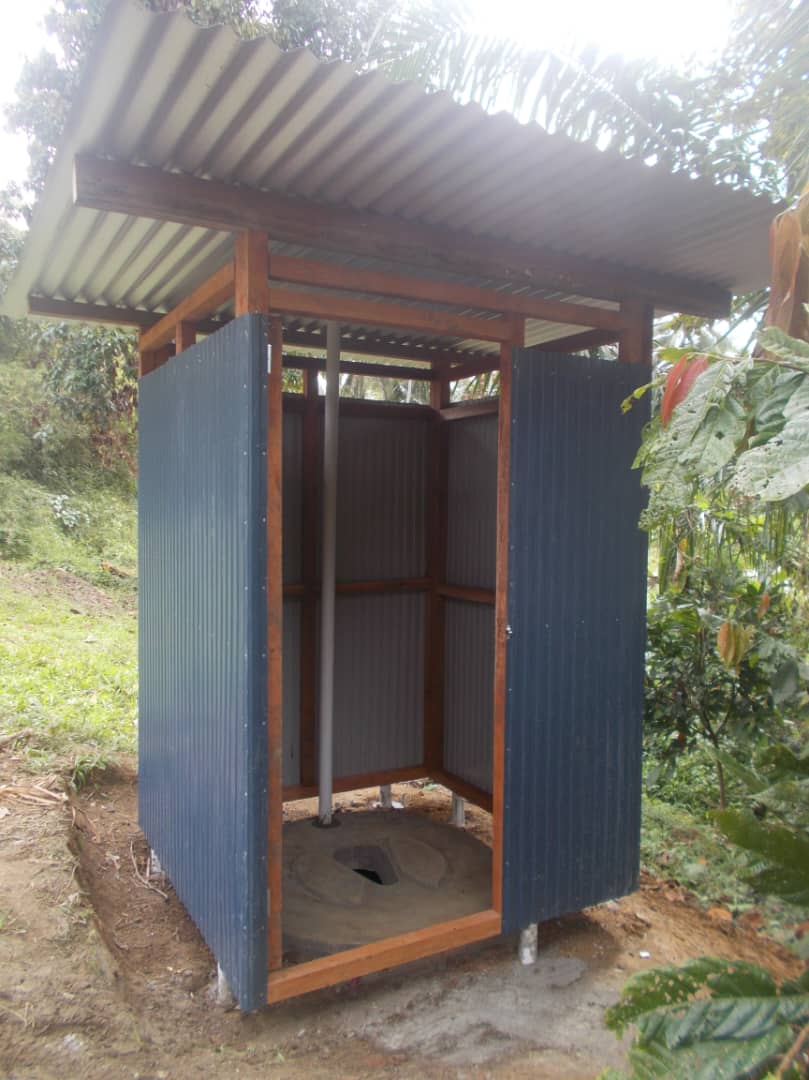
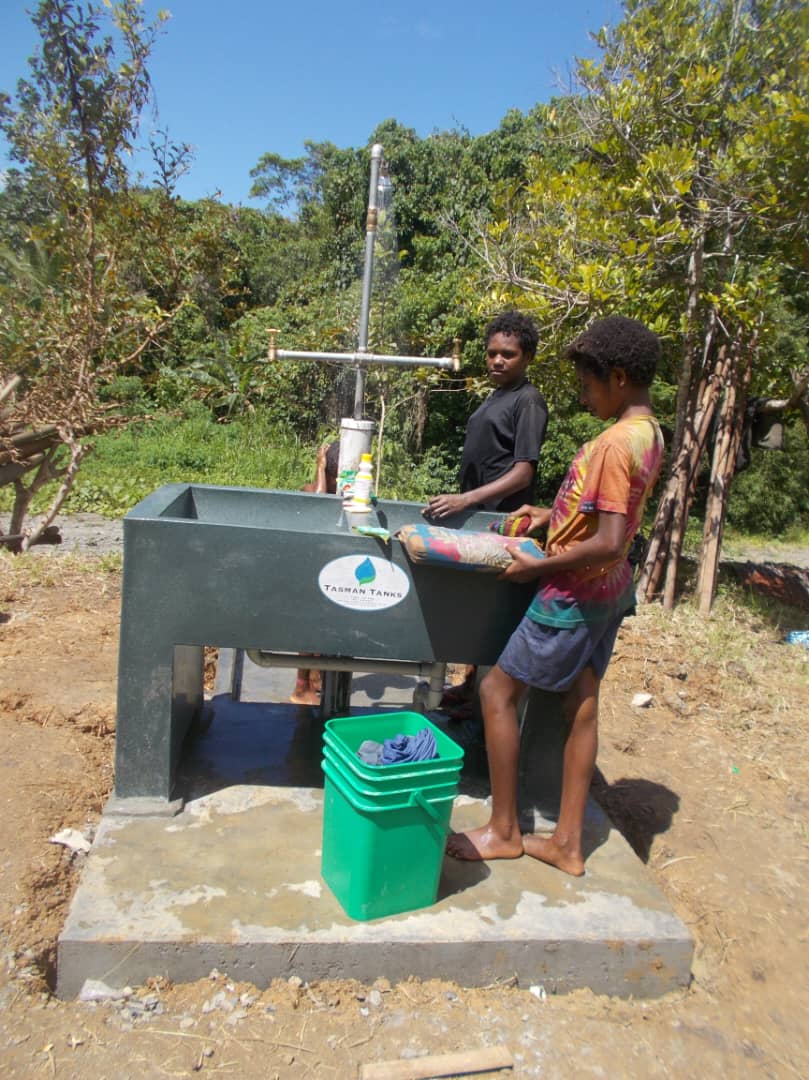
Between 2018 and 2022, ATprojects was engaged by Wafi-Golpu Joint Venture through its Sustainability and Development Affairs Department to design, implement, and manage Water, Sanitation and Hygiene (WaSH) infrastructure for 17 landowner project-area communities. The aim of this project is to improve access to safe water, sanitation, and hygiene services in landowner communities affected by mining development, strengthening public health and community resilience. This is one of our many successful projects because now, over 2,000 people gained reliable access to clean water and safe sanitation, expanded water supply with community tapstands and rainwater systems, construction of gender-responsive and culturally appropriate sanitation facilities, and enhanced hygiene practices through community hygiene education.
This project demonstrates ATprojects’ capacity to deliver large-scale, community-focused infrastructure programs in partnership with industry and local stakeholders.
Community Footbridge Solutions
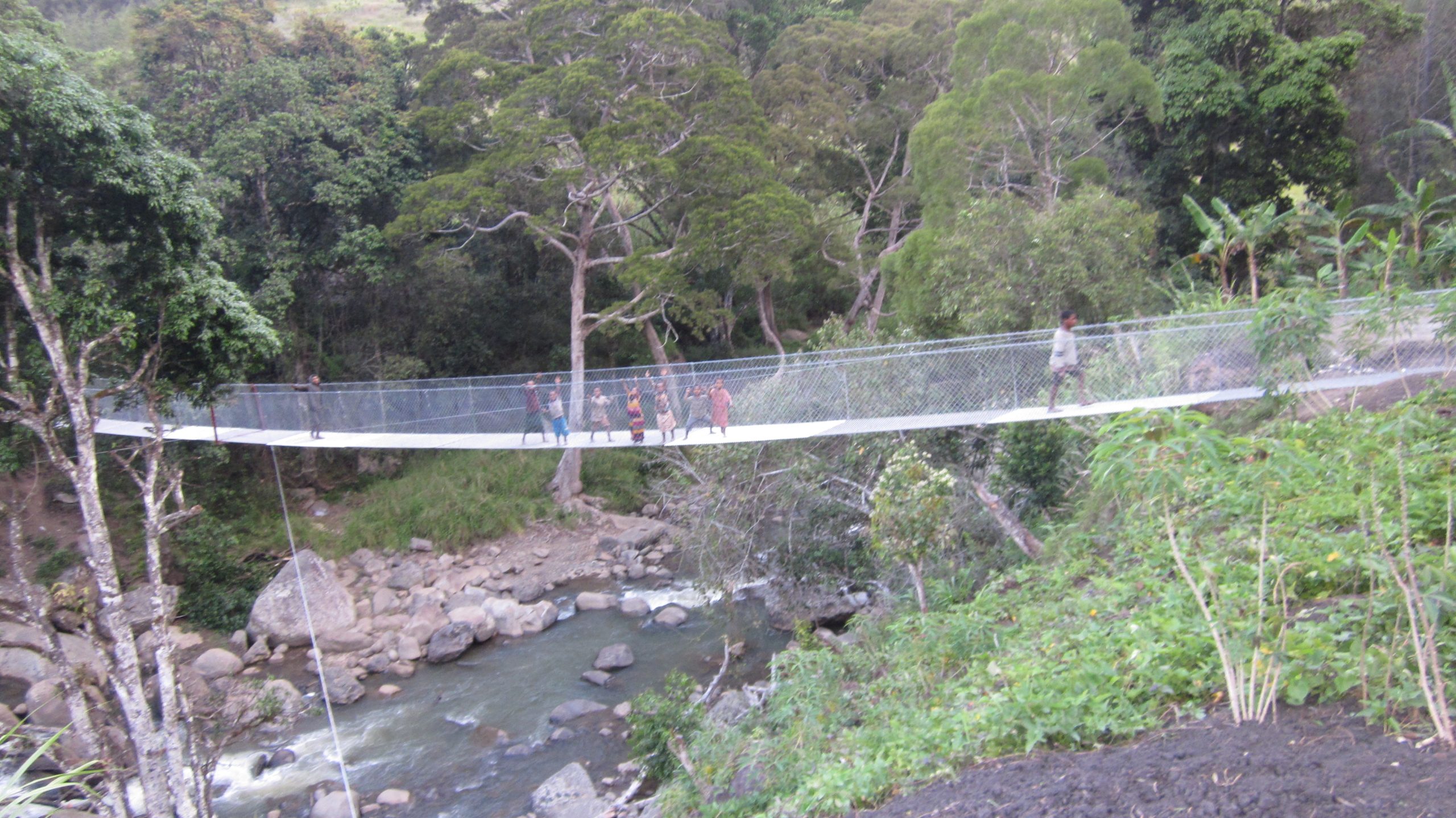
In many parts of Papua New Guinea, limited road access means rural communities must walk long distances and cross dangerous rivers to reach essential services such as health centres, schools, and marketplaces. AT Projects addresses this challenge by designing and constructing durable footbridges that connect communities, improve safety, and support economic activity. Our footbridges provide reliable access for people to travel safely, transport goods such as coffee and food, and access basic services without risking their lives—especially during heavy rains and flooding seasons.
Our Experience & Impact
Through strategic partnerships with government and development organizations, AT Projects has successfully delivered multiple community footbridge projects across Papua New Guinea: 8 footbridges completed in Eastern Highlands Province (2012–2014); Projects delivered in partnership with provincial governments and development partners; Additional footbridges constructed in Enga Province (2015 & 2018); These projects have significantly improved access, reduced travel risks, and supported livelihoods in remote communities.
Project Highlights
Sowara Footbridge
Lamari River, Eastern Highlands
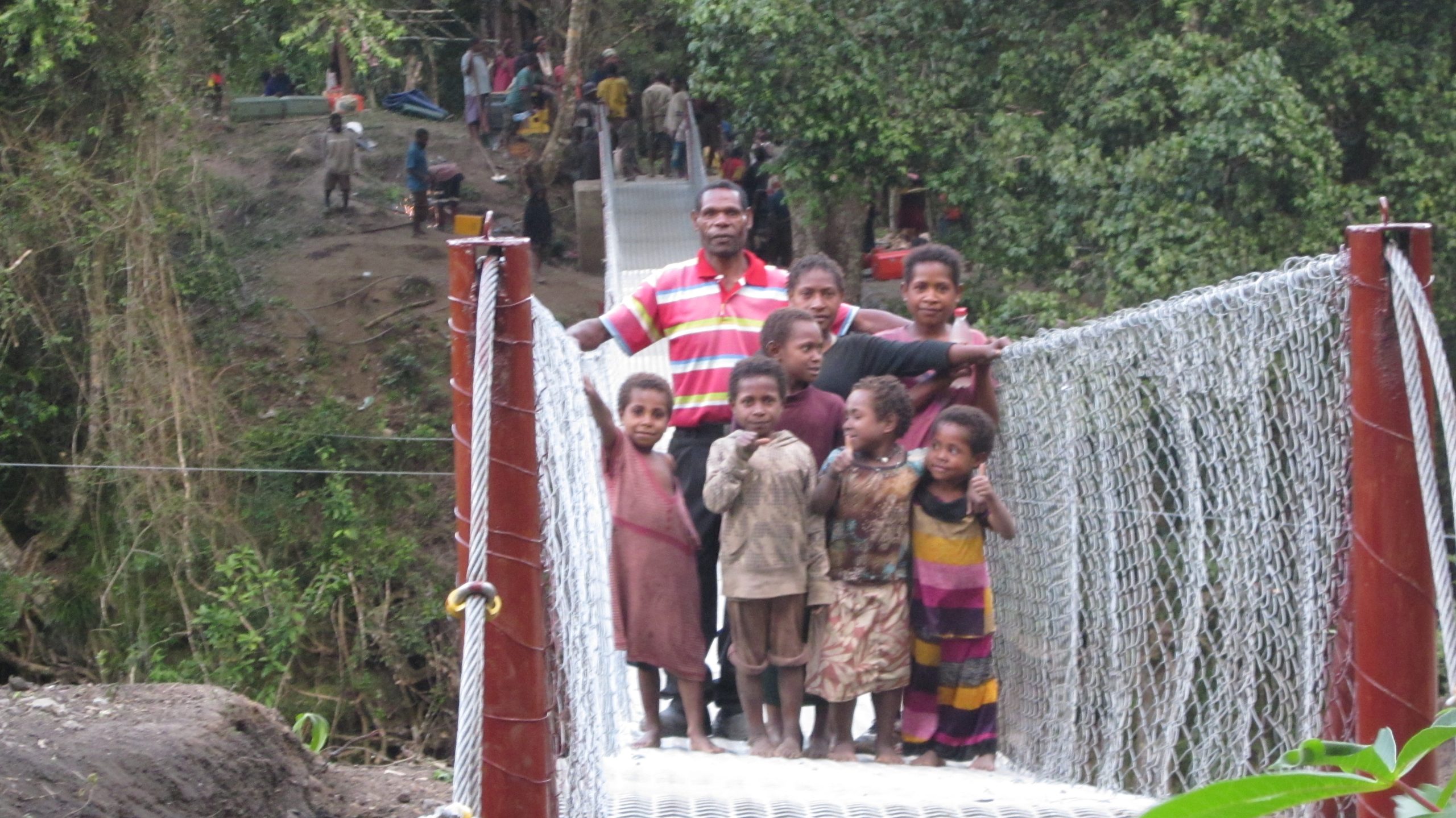
This bridge connects nine (9) wards that were previously isolated from essential services. Communities can now safely access schools, health centres, and road links to Goroka without crossing dangerous river currents.
Simogu Footbridge
Ogamo River, Marawaka
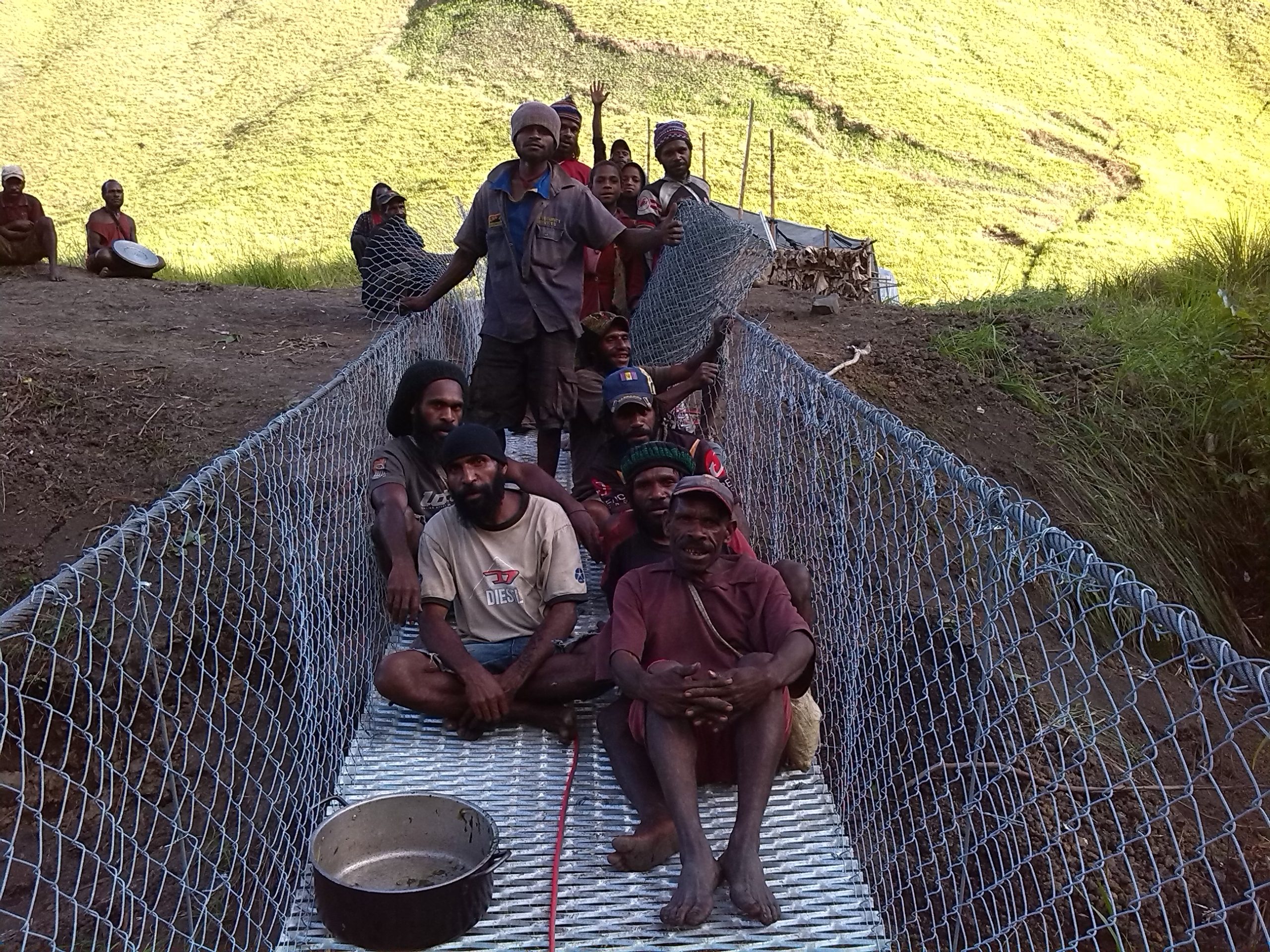
Before construction, flooding made the river impossible to cross, resulting in loss of lives, goods, and livestock. The footbridge now provides a safe and reliable crossing, enabling communities to trade and access services year-round.
Alagula Footbridge
Wali-Mamba River, Enga Province
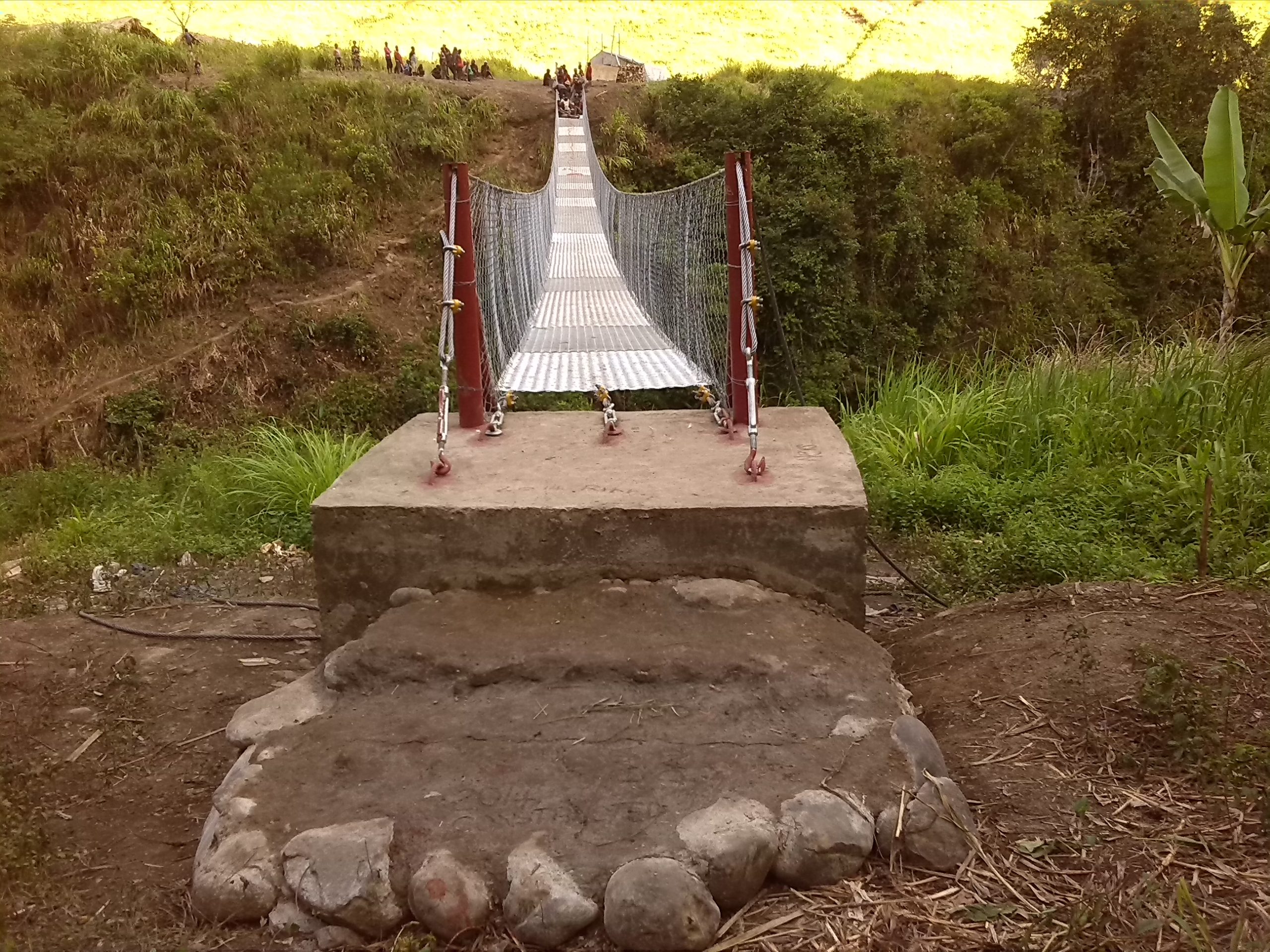
This project improved accessibility for rural communities, supporting daily movement, trade, and overall community development.